Ownership and Management
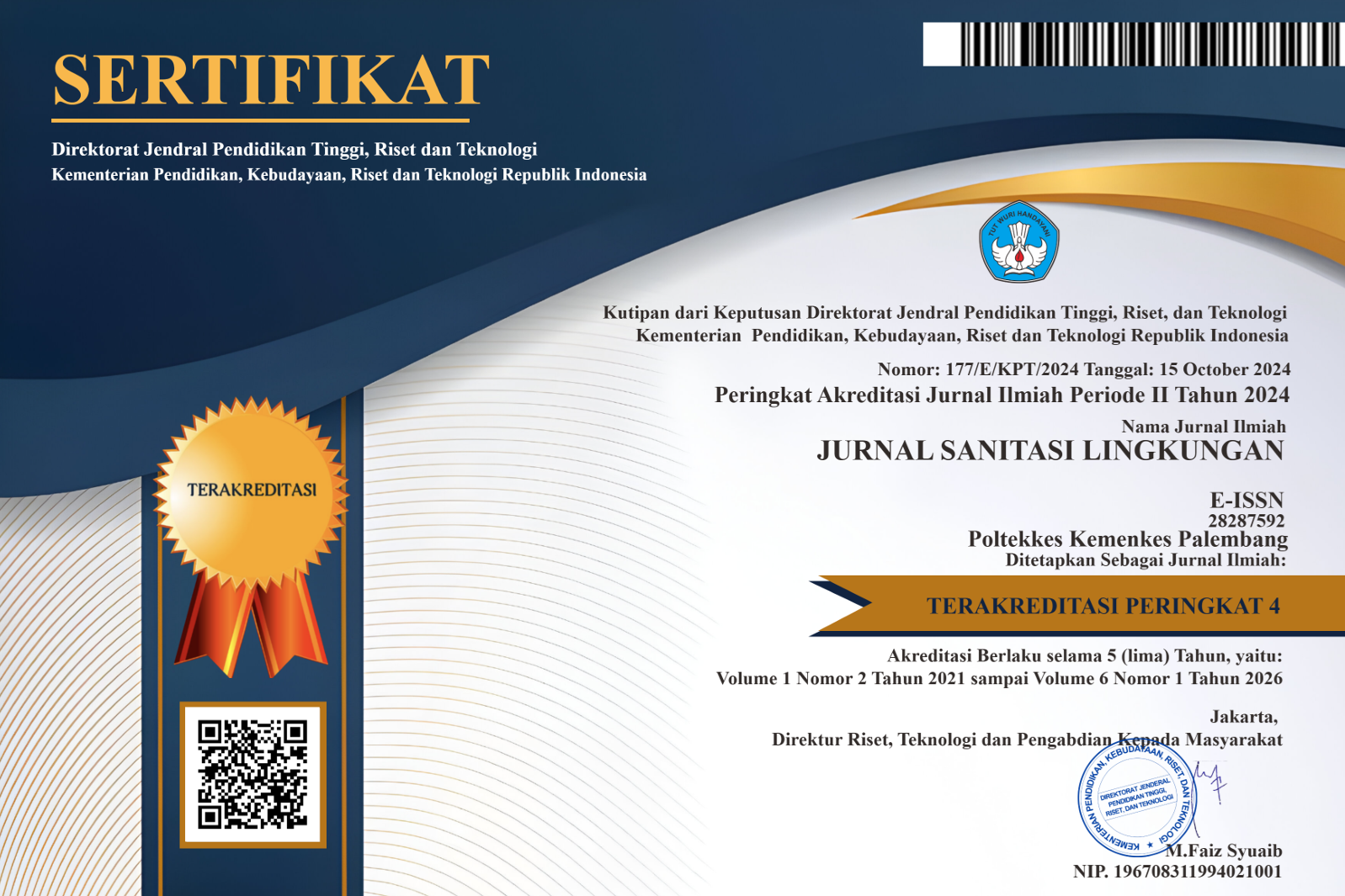
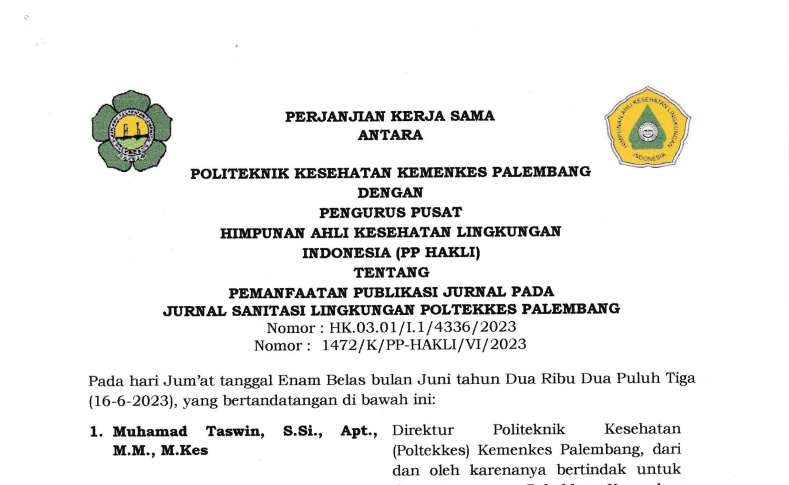
Jurnal Sanitasi Lingkungan (JSL) is owned by Poltekkes Kemenkes Palembang and published through the Department of Environmental Health, Poltekkes Kemenkes Palembang, Indonesia. The journal operates under the institutional management and supervision of Poltekkes Kemenkes Palembang, which provides administrative, organizational, technical, and operational support to ensure its sustainability and academic development.
While the institution oversees the journal's administrative and organizational management, all editorial activities, including manuscript handling, peer review, editorial evaluation, and publication decisions, are conducted independently by the Editorial Team in accordance with established editorial policies, publication ethics, and recognized scholarly publishing standards.
Editorial decisions are based exclusively on the originality, scientific significance, methodological rigor, academic quality, ethical compliance, and relevance of submitted manuscripts to the journal's focus and scope in environmental sanitation, environmental health, and related public health disciplines. Institutional ownership, financial support, and administrative oversight must not compromise the impartiality of the peer-review process, influence editorial judgments, or interfere with editorial independence.
The journal owner is responsible for the formal appointment and dismissal of editors in accordance with applicable institutional regulations. Editorial appointments are established through an official decree issued by the Director of Poltekkes Kemenkes Palembang or another duly authorized institutional official. Such appointments should clearly define editorial responsibilities, authority, terms of service, and procedures for resolving potential disputes between institutional management and editorial leadership.
Editorial performance may be evaluated periodically using transparent and objective criteria, including publication quality, readership, manuscript submission trends, editorial processing efficiency, peer-review management, and compliance with publication ethics. These evaluations must respect editorial independence and must not be used to influence decisions concerning individual manuscripts.
The dismissal of an editor must be based on legitimate and documented grounds, including proven scientific or professional misconduct, serious violations of publication ethics, persistent failure to fulfill editorial responsibilities, or other substantial reasons consistent with institutional regulations. Any dismissal process must uphold fairness, transparency, due process, and professional accountability while safeguarding editorial independence.
Through this governance framework, Jurnal Sanitasi Lingkungan is committed to maintaining transparent journal management, institutional accountability, editorial independence, and the integrity of scholarly communication in environmental sanitation and environmental health.